As frontier models become commodities, algorithmic advantage approaches zero. The real differentiator is the invisible organizational system around the technology — mapped across two axes: Architectural Depth and Time in Operation.
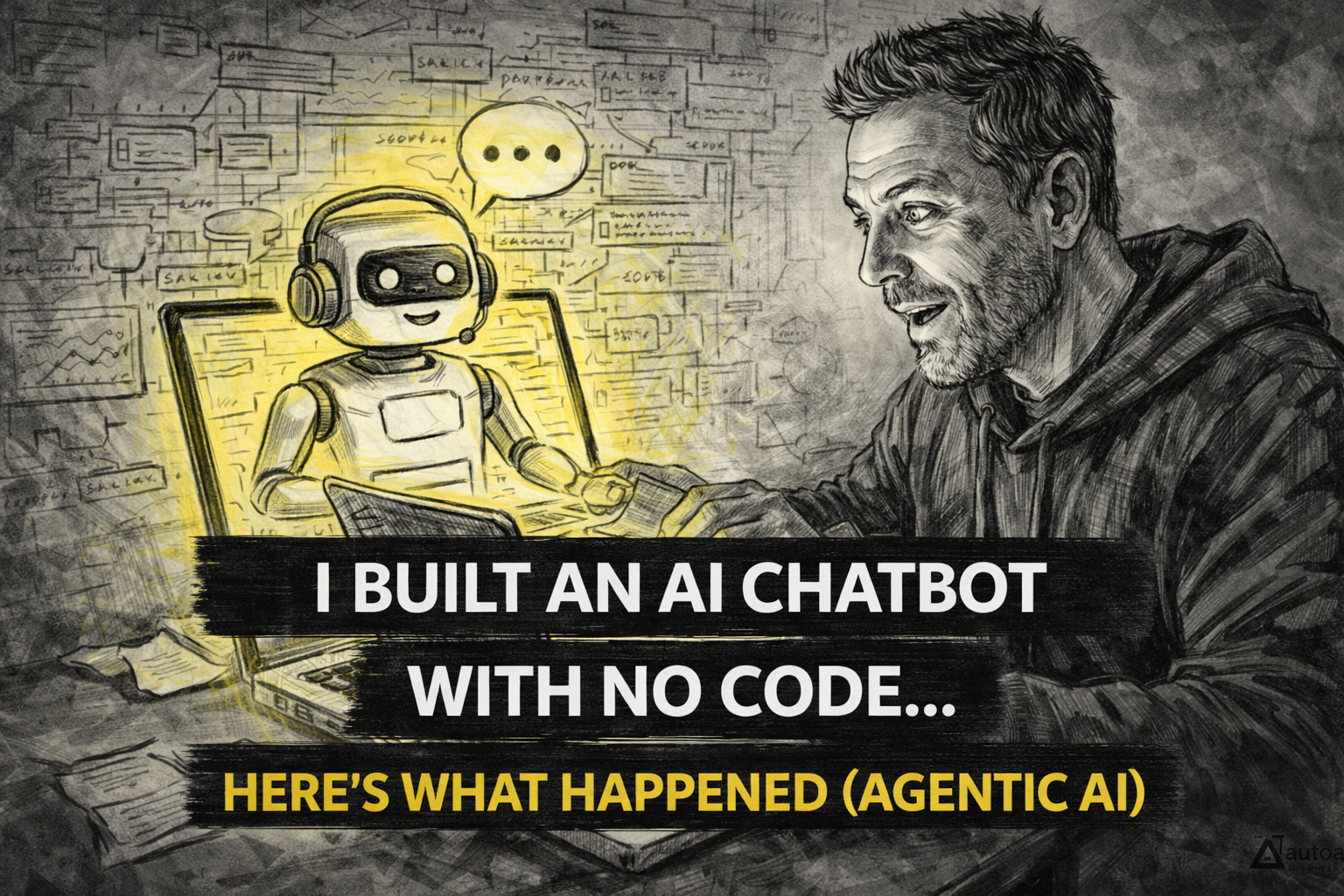
What happens when you use vibe coding and natural language to build an AI chatbot from scratch — with zero technical skills? Barry Hillier walks through exactly how he built the Auto Agentic Advisor and what it can do for dealerships.
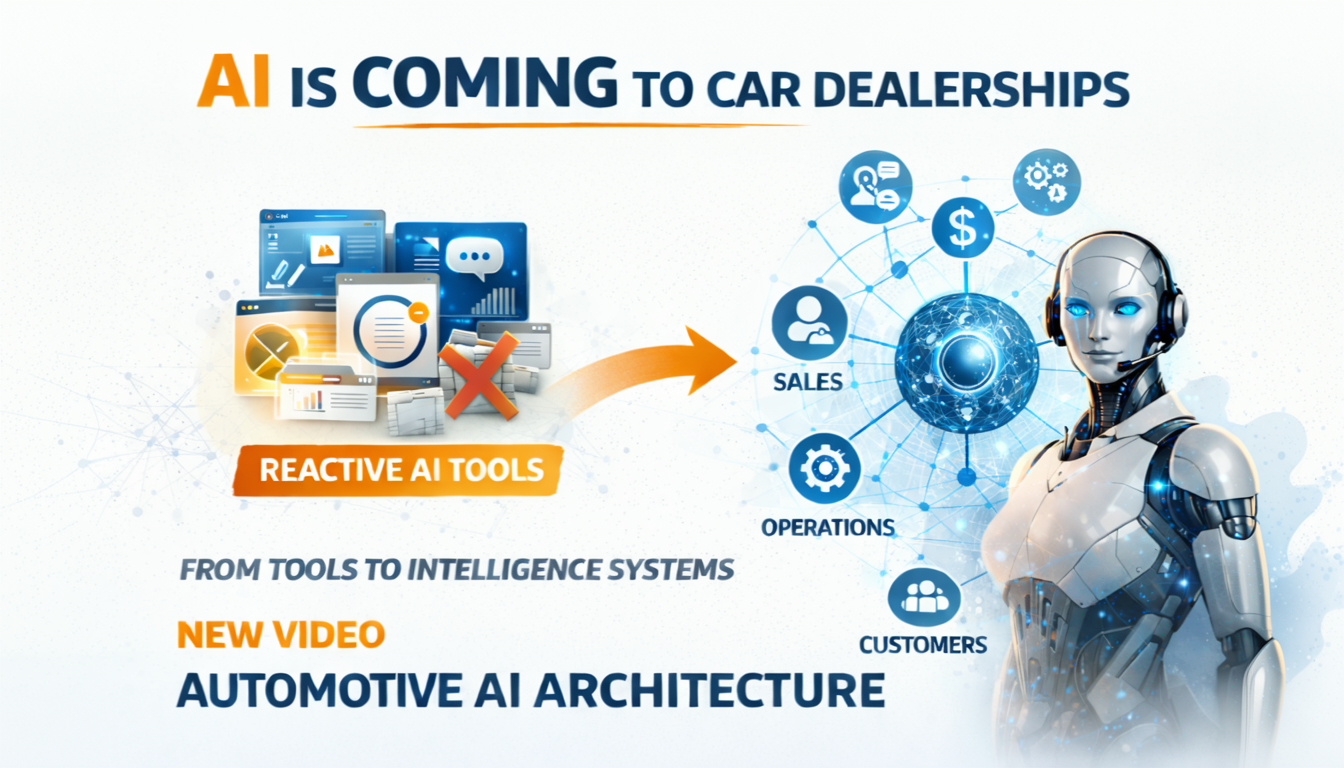
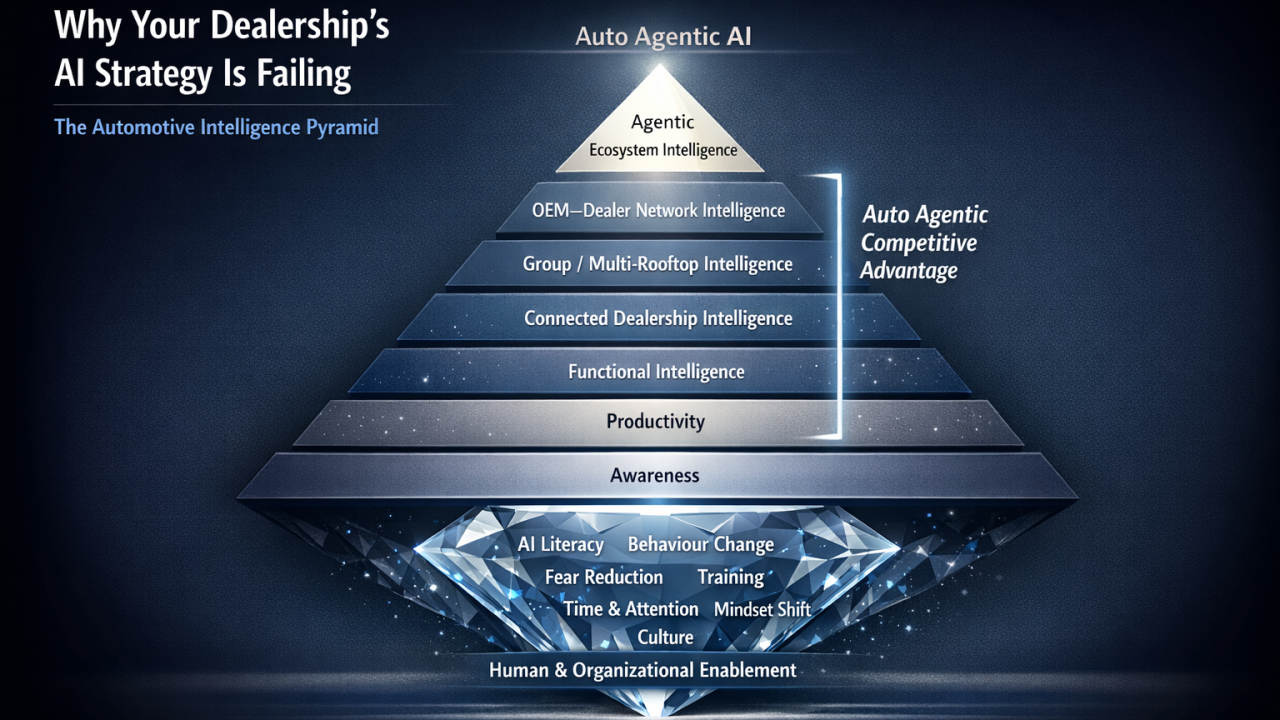
Most dealership AI initiatives fail not because the technology is wrong, but because the architecture is missing. Learn why coordinated intelligence systems outperform disconnected AI tools.
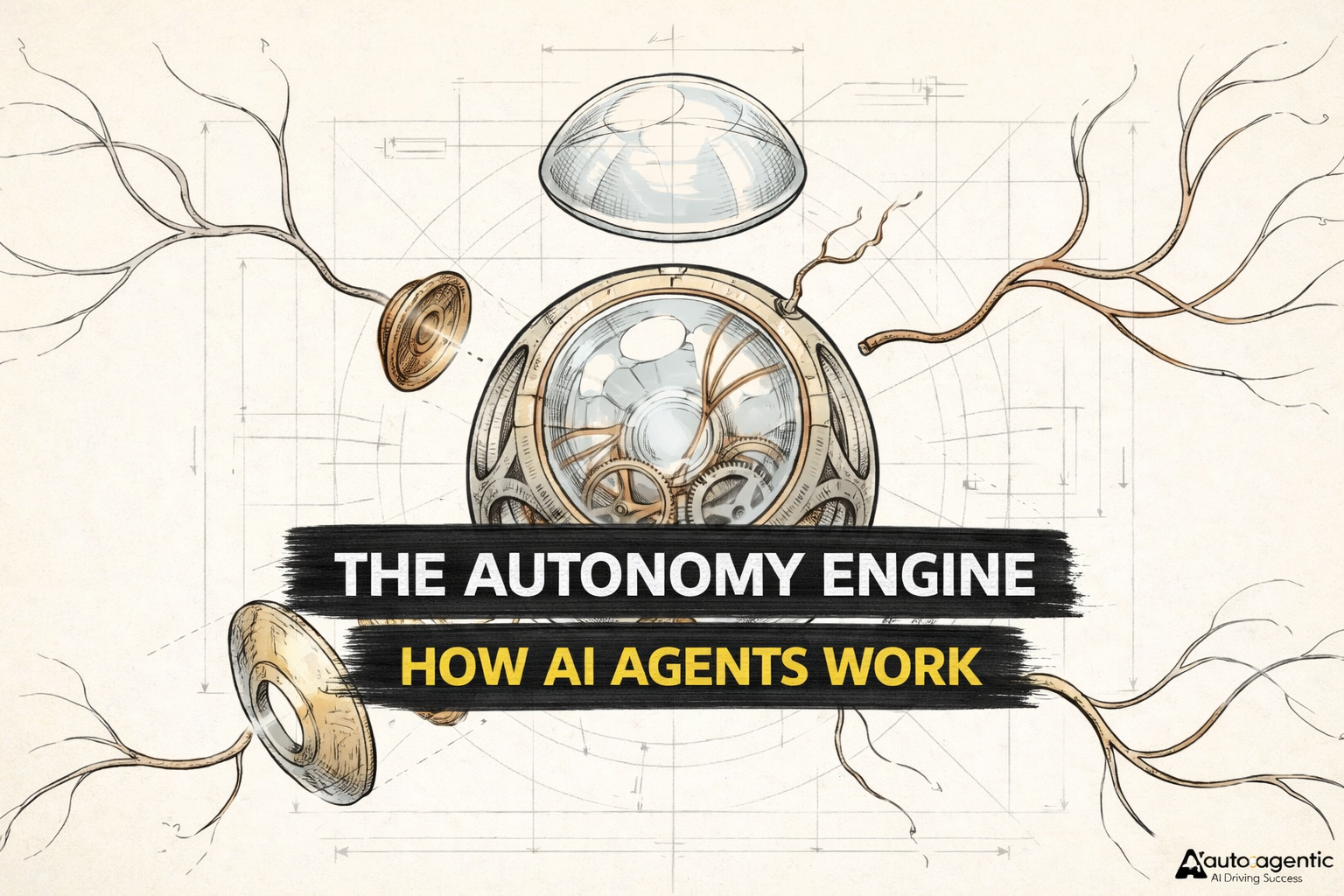
Most business automation breaks the moment something unexpected happens. AI agents operate differently — using continuous feedback loops to sense, plan, act, observe, and reflect. Here's how the autonomy engine works.
Silicon Valley wants AI to replace creative work — but workers are begging it to handle the boring stuff. Discover the automation paradox and why the future of AI is augmentation, not replacement.
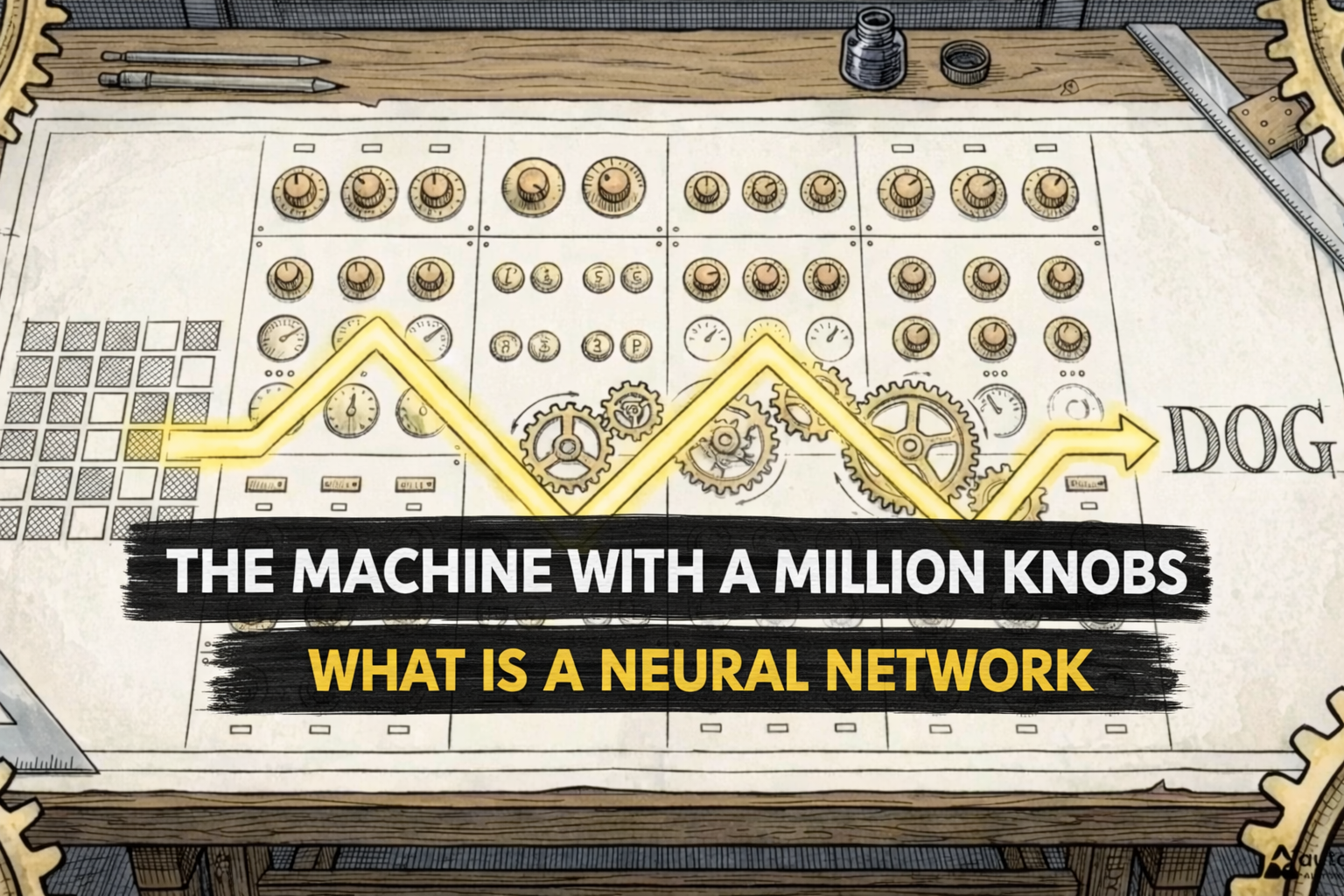
Forget the glowing digital brain. A neural network is more like a massive mechanical box covered in millions of tuning dials — and understanding how those dials get set is the key to demystifying AI.
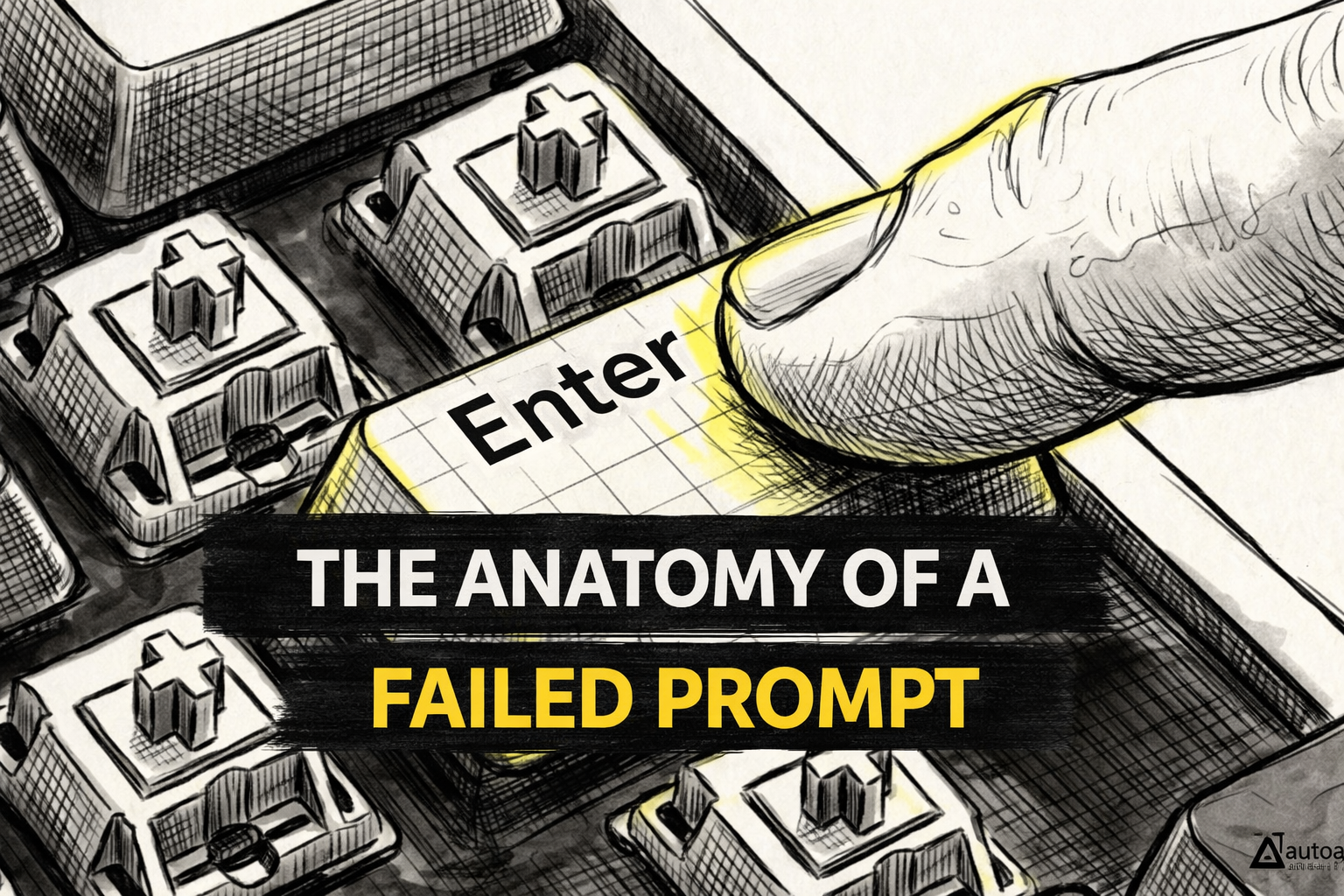
Most people blame AI when it gives a bad answer. The real problem? The prompt. Learn how zero-shot failures happen, and how role-based, negative, and chain-of-thought prompting techniques can transform chaotic AI output into expert-level analysis.
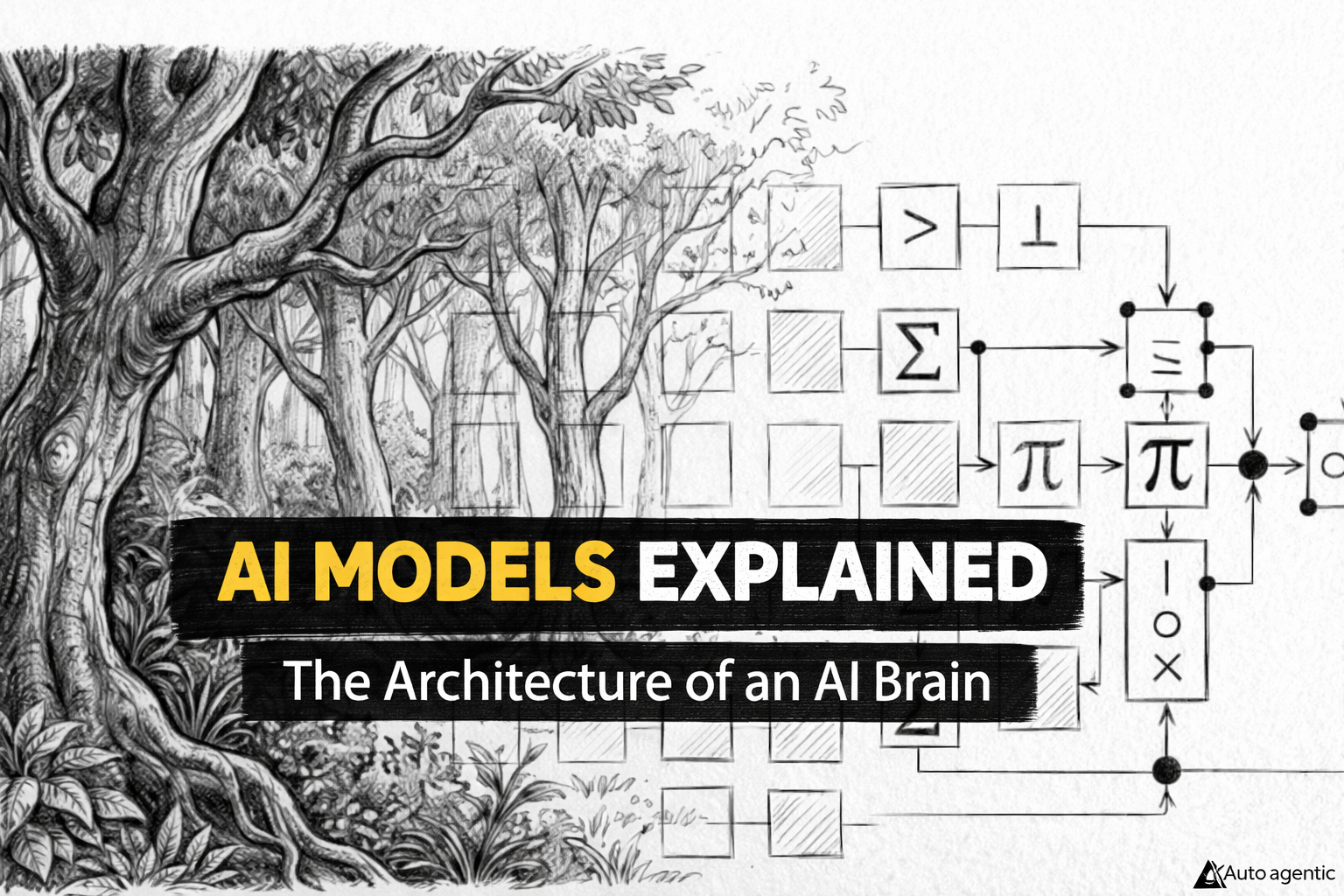
Algorithms and models are often used interchangeably, but they sit at opposite ends of the AI development process. Understanding the difference — from static instructions to dynamic neural networks — is essential for any business leader navigating the age of artificial intelligence.
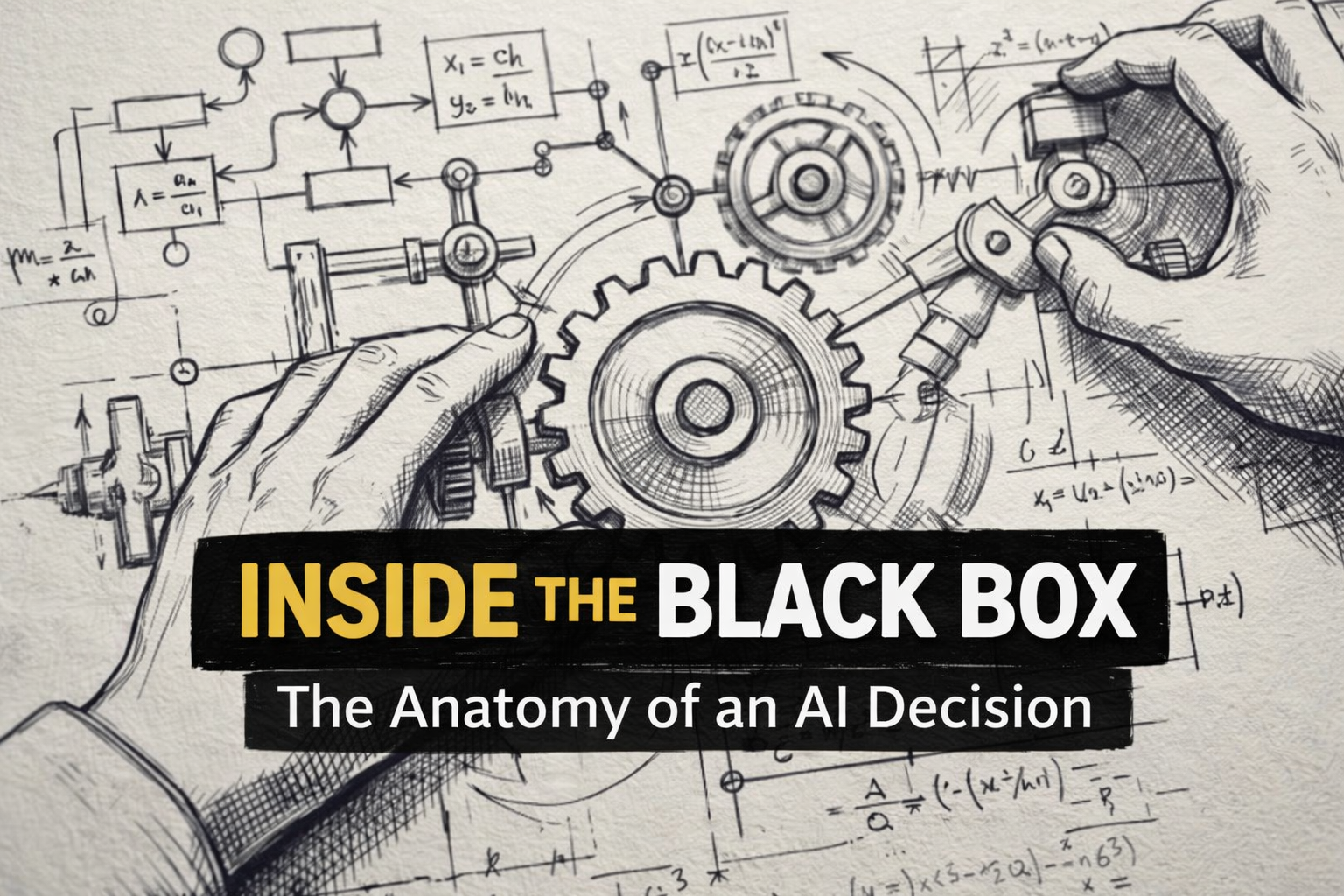
How do AI algorithms actually make decisions? From objective functions and gradient descent to algorithmic bias and the black box phenomenon — a plain-language breakdown of what happens inside the machine.
To create real enterprise intelligence, organizations must start with architecture rather than applications.
The first step is building a unified data foundation.
Most businesses paint AI on like wallpaper, expecting transformation. Real AI implementation requires architectural thinking—from foundation to finish.
While many dealers rushed headlong into AI investments in 2025, many dealers took a more measured approach that may have inadvertently positioned themselves for greater success. But here's the critical distinction: there's a profound difference between strategic patience and simply falling behind. The winners won't be those who adopted first or waited longest—they'll be those who actively engaged with the AI evolution while maintaining operational discipline.
Dealership AI implementation success depends on having the right team structure and clear role definitions from day one. While 95% of automotive dealers recognize AI as critical for future competitiveness, many struggle with the practical aspects of AI project management and team coordination. This comprehensive guide outlines the essential roles, realistic timelines, and proven strategies for successful automotive AI deployment – from executive sponsorship to hands-on technical implementation.
This is the story of most enterprise AI initiatives.
They don’t fail because the technology doesn’t work.
They fail because the organization isn’t architected to live with intelligence.
The automotive industry isn’t just adopting AI — it’s being forced into an intelligence realignment.
As AI collides with decades of fragmented automotive systems, organizations are hitting a coordination ceiling where more tools create more complexity, not more intelligence. In this article, Barry Hillier explains why true transformation isn’t about software adoption, but about rebuilding how intelligence itself is architected across dealerships, OEMs, and the automotive ecosystem.
Automotive isn’t struggling to adopt AI. It’s struggling to build intelligence. After working across dealerships, dealer groups, and OEM environments, we’ve seen the same pattern everywhere: more tools, more complexity, and very little operational transformation. This article breaks down what AI maturity really means — and why most of the industry is stuck at the bottom of the pyramid.
When we first embarked on our mission to revolutionize automotive retail through AI, we anticipated that the technology itself would be our greatest challenge. We were prepared for complex algorithms, data integration issues, and the intricacies of machine learning. However, we quickly discovered that the real obstacle wasn't in the lines of code or the neural networks—it was in the hearts and minds of the people we aimed to empower.
Unlike generative AI that simply creates content, Agentic AI represents a new era in automotive innovation. This breakthrough technology acts with purpose, making intelligent decisions while maintaining human oversight.